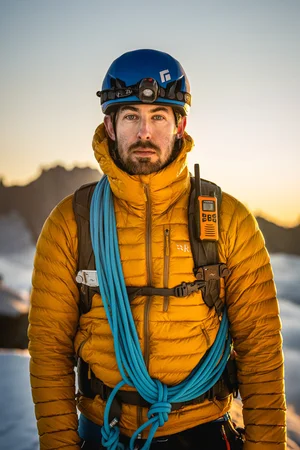
Where the Wild Returns
Northern Greece, July 2026
There are places in Europe where the wild never completely disappeared. It retreated into the mountains, into forests, across borders, and into the places where roads become tracks and tracks eventually stop.
In July, I spent three weeks travelling through northern Greece filming The Wild Return, a film about what happens when we begin making room for nature to come back. The story took us from the forests around Nymfaio to the mountains of Grammos, through villages, farmland and conservation projects, and eventually south to Ioannina and east to Thessaloniki.
We went looking for bears and wolves. What we found was really a story about people.
Into northern Greece
Our base for the first part of the shoot was Agios Panteleimon, beside Lake Vegoritida. From there, the mountains rise towards some of the wildest landscapes in Greece.
Northern Greece feels very different from the image of the country most visitors know. There are no whitewashed island villages here. Instead there are oak and beech forests, high pastures, wetlands, vineyards and mountain ranges stretching towards Albania and North Macedonia.
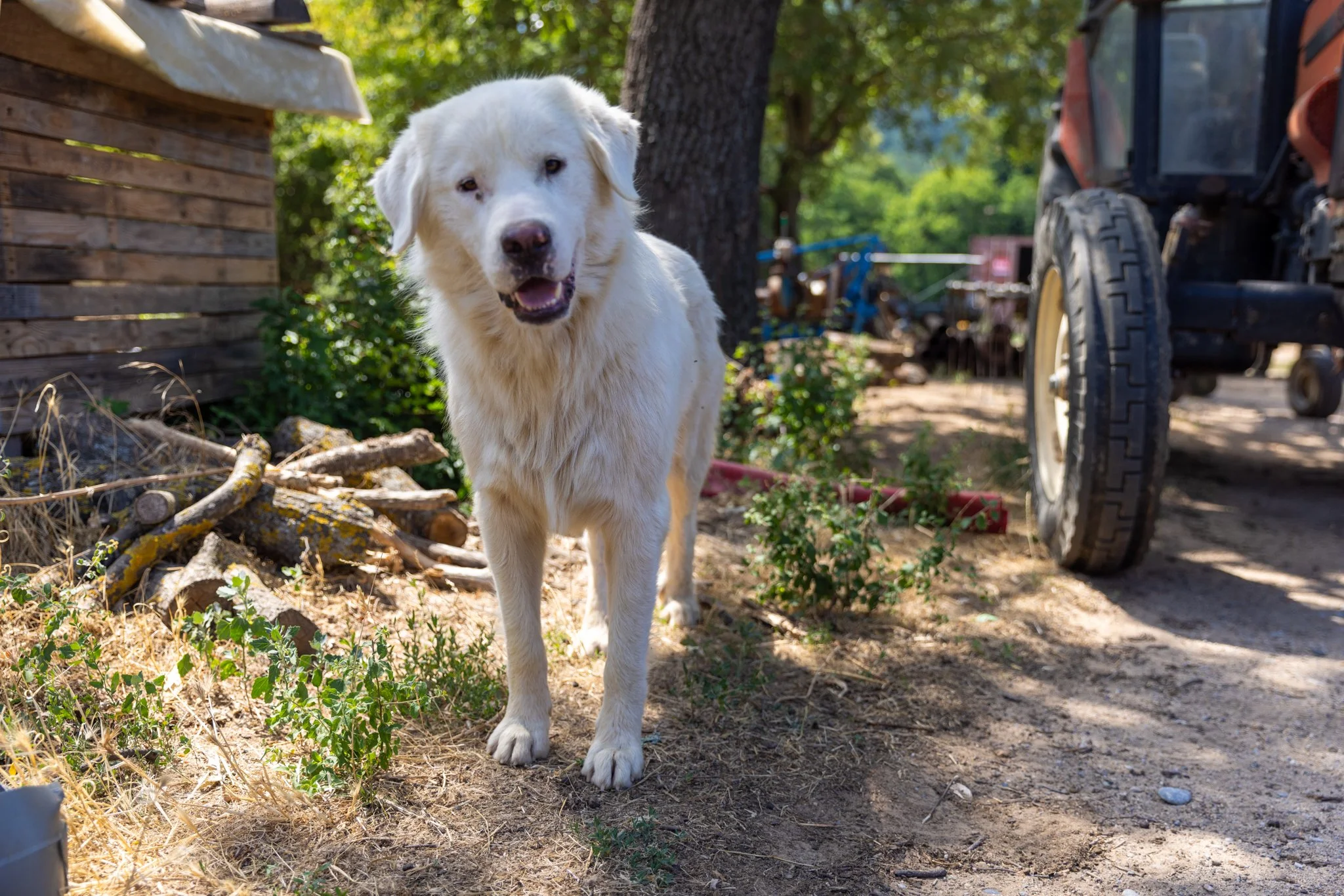
Living among them are some of Europe's large carnivores: brown bears and wolves, animals that once occupied far more of the continent than they do today. The question at the centre of the film was deceptively simple: can they come back? Not inside a fenced reserve or a remote wilderness thousands of kilometres from people, but here, in modern Europe.
Living with bears
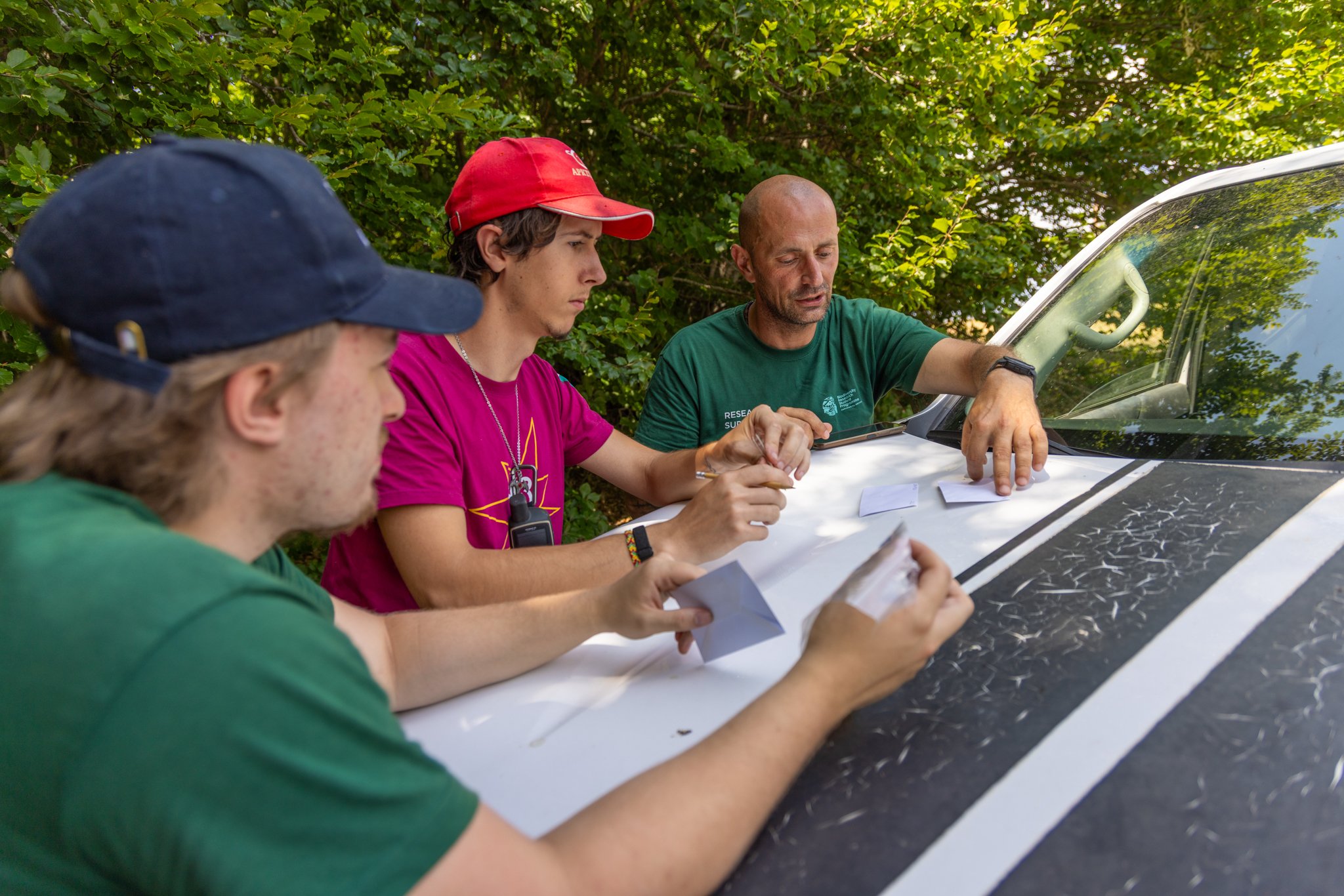
Near Nymfaio, we spent time with ARCTUROS, an organisation that has spent decades working with bears, wolves and the communities that live alongside them. The sanctuary gives a home to animals that cannot return to the wild, but the bigger story exists outside its fences.
Conserving a bear isn't really about protecting an individual bear. It's about creating a landscape where bears can exist. That means habitat, food and corridors between populations, but it also means farmers, beekeepers, livestock, roads, villages and people trying to make a living.
The closer you look at conservation, the harder it becomes to separate ecology from society. A bear moving through a mountain forest may be a conservation success. The same bear breaking into someone's beehives is a very different experience for the person who owns them. Both things can be true at the same time.
The dogs between two worlds
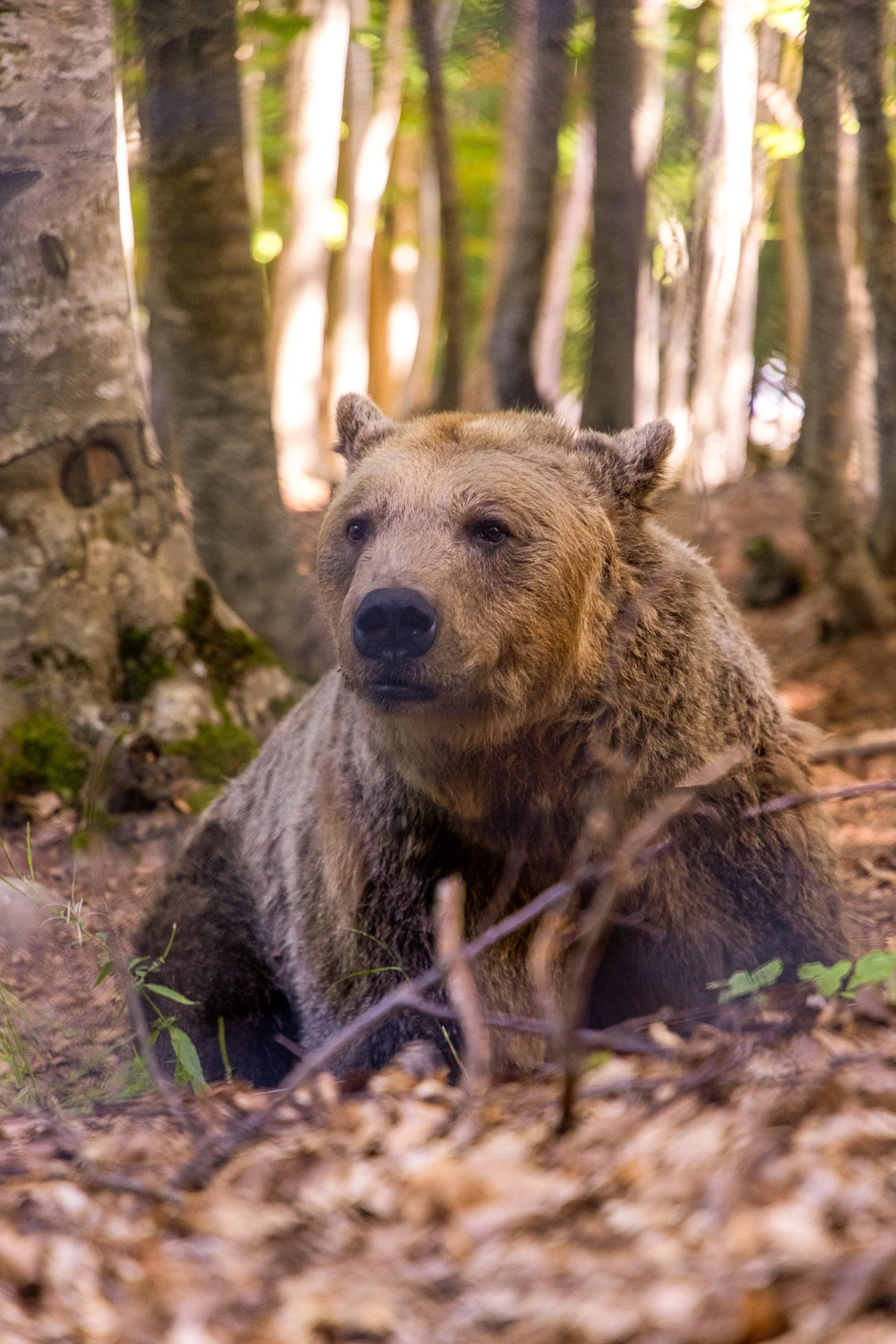
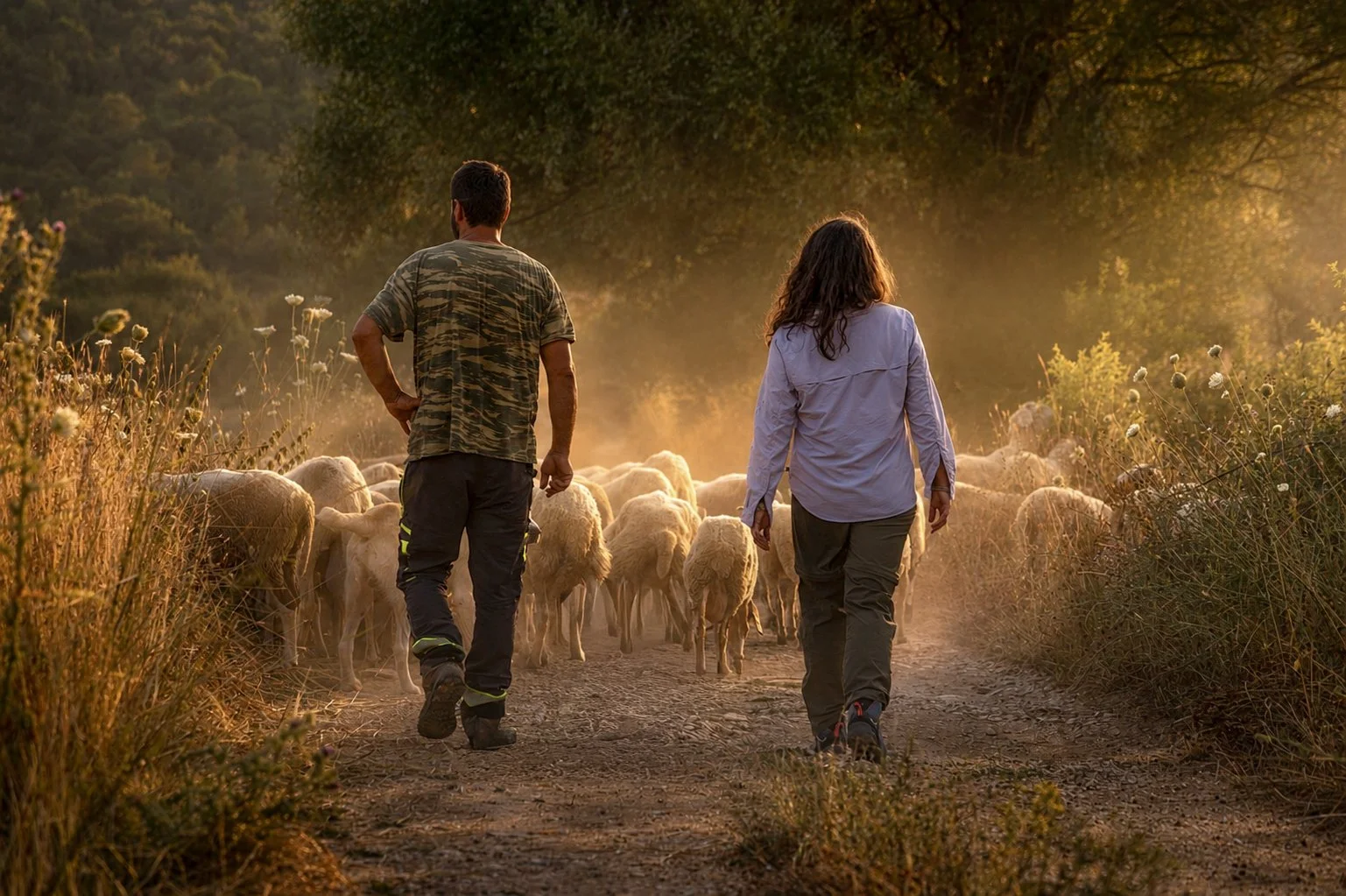
One of the most memorable parts of the shoot was spending time around livestock guardian dogs. These animals represent an ancient solution to a very modern conservation problem. If wolves and bears are going to survive alongside farming, livestock has to be protected.
Rather than removing predators from the landscape, guardian dogs allow livestock and predators to occupy the same landscape with less conflict. It seems almost ridiculously simple, but coexistence is often like that.
It is rarely one dramatic intervention. It is fencing, dogs, compensation schemes, changing agricultural practices, monitoring animals, talking to communities and fixing problems before frustration becomes hostility. Rewilding can sound like releasing animals and stepping away. The reality is much more human.
Europe is not Yellowstone
It's tempting when talking about rewilding to look towards places like Yellowstone: bring back the predators, restore ecological processes, stand back and watch nature recover.
Europe is different. Our landscapes have been lived in, farmed, grazed, cut, planted and travelled through for thousands of years. There often isn't a huge wilderness waiting for animals to return to. There are people already there.
That makes European rewilding more complicated, but perhaps also more interesting. The future of European wildlife isn't going to be created by drawing a line around nature and keeping people outside it. It will be negotiated village by village, farm by farm and forest by forest.
Following the corridors
Later in the journey, the story took us to Ioannina and then Thessaloniki, talking to researchers and conservation organisations working on the less visible architecture of wildlife recovery.
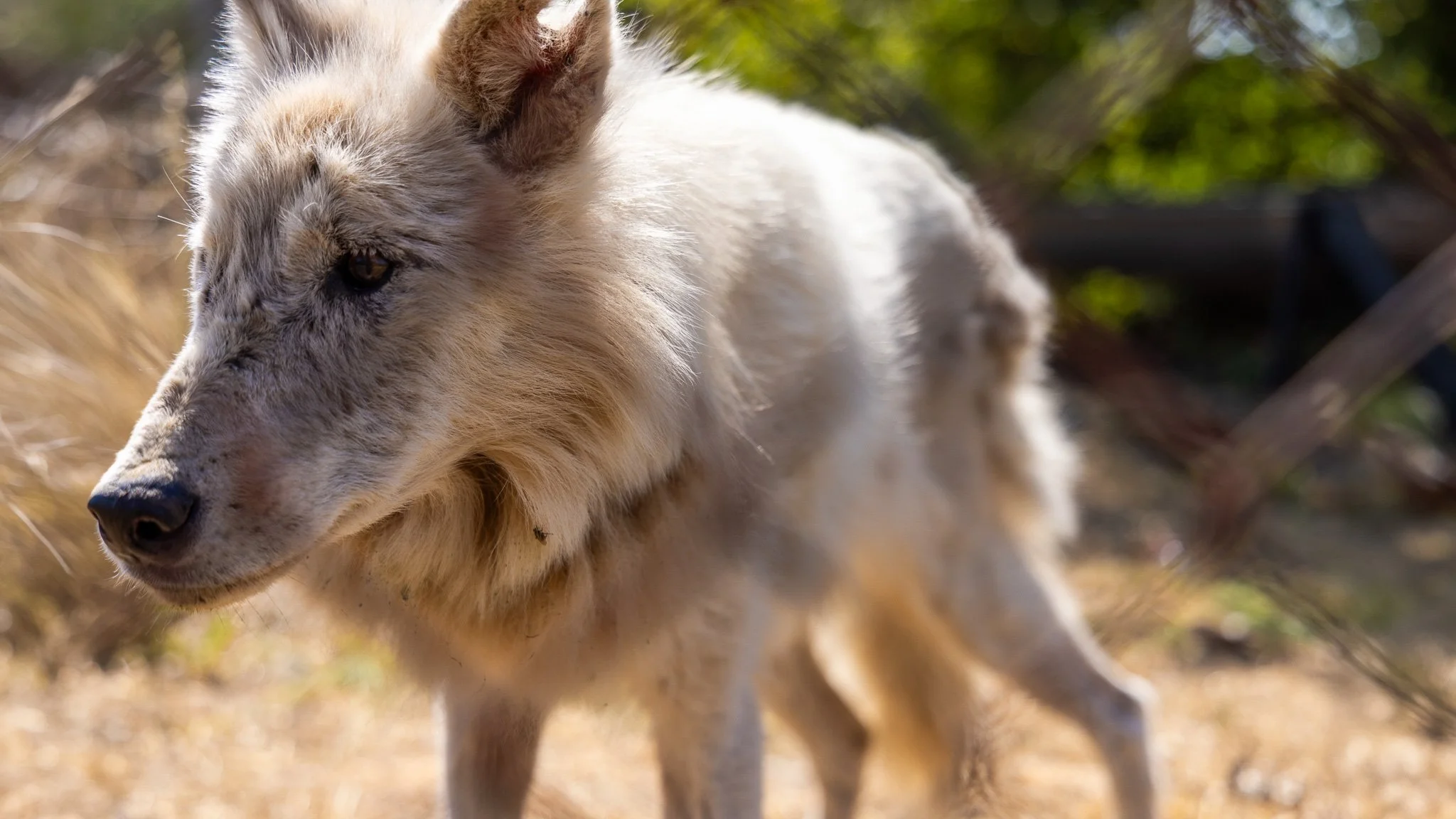
An animal population cannot survive as an island. A bear needs to move. A wolf needs to disperse. Populations need to meet other populations. That makes wildlife corridors some of the most important landscapes in conservation, and some of the easiest to overlook.
A road, a new development, a fence or a patch of habitat cleared in the wrong place can sever a route animals may have used for generations. The challenge is no longer simply protecting individual areas of wilderness. It is keeping the spaces between them connected.
What does return actually mean?
The longer we filmed, the more I found myself thinking about the word return. We talk about species returning as though nature has simply decided to come home, but returning requires permission, sometimes literally and more often socially.
People have to decide that they are willing to share landscapes with animals their grandparents may have spent generations trying to remove. That isn't an easy conversation, and conservation fails when we pretend that it is.
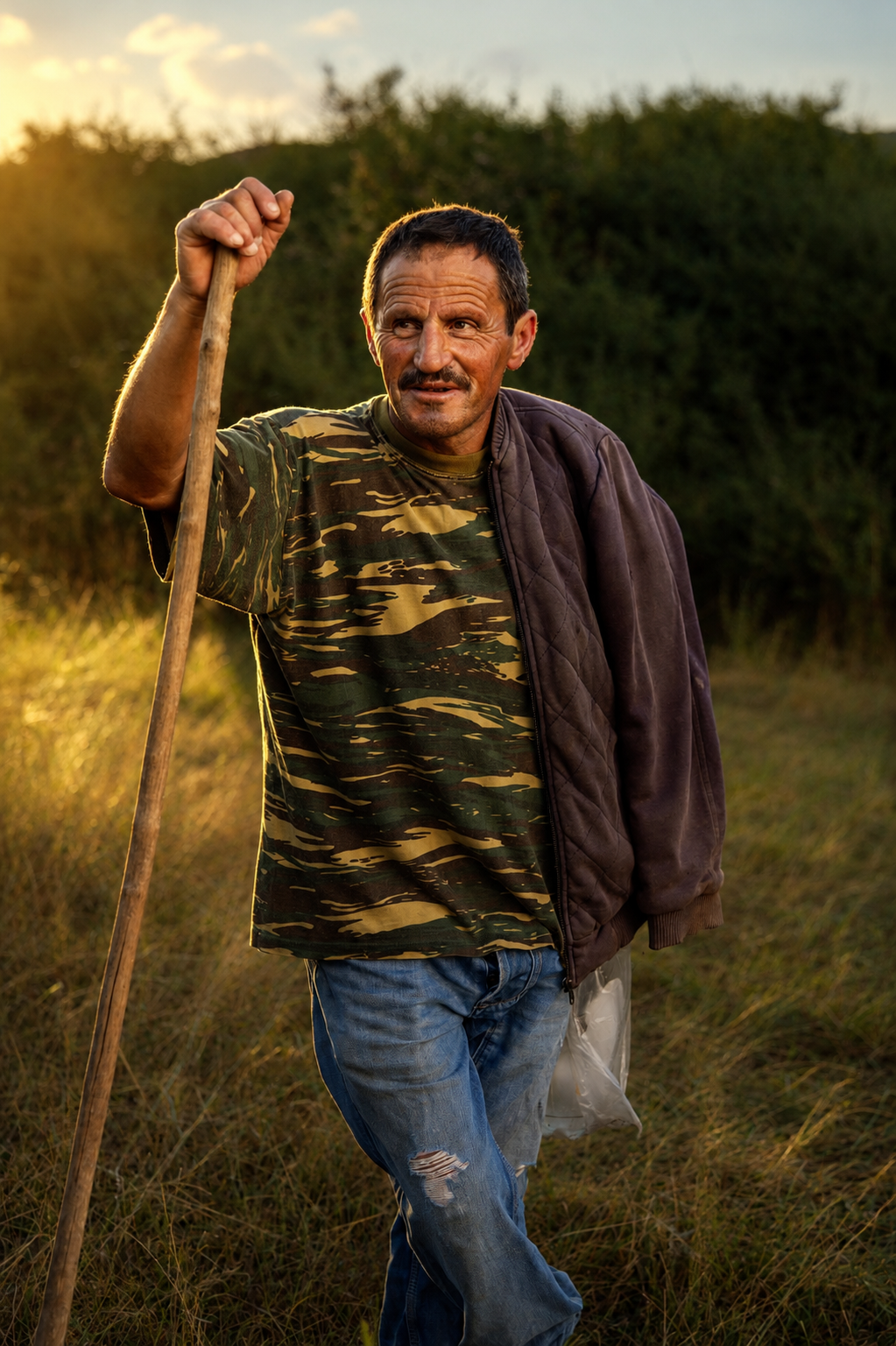
For someone visiting the mountains, seeing a bear track might be exhilarating. For someone whose sheep have just been killed, the same animal represents something completely different. Successful conservation has to contain both perspectives. Otherwise coexistence is just something we ask other people to do.
Looking home
Travelling through Greece also made me think about Wales. We have become very good at describing Britain's landscapes as natural even when many of them are profoundly depleted.
We notice when something disappears quickly. We're much worse at noticing what disappeared centuries before we were born. Every generation inherits a landscape and unconsciously accepts it as normal.
Northern Greece offers a glimpse of something different. Not pristine wilderness, and not a landscape without human influence, but a place where large animals still move through the same mountains as farmers, villages, roads and tourists. It is messy, sometimes difficult, occasionally controversial, and very much alive.
The wild return
I started this film thinking it was about reintroducing and recovering wildlife. By the end, I think it had become a film about coexistence.
Restoring nature isn't really about travelling backwards. We cannot recreate some imagined moment before humans changed the landscape. The interesting question is what we build next. What would a modern Europe look like with more bears, more wolves, more wetlands, more connected forests and more space for ecological processes we have spent centuries suppressing?
The wild return isn't a single event. It happens slowly. A forest regenerates. A corridor reconnects. A farmer changes how livestock is protected. An animal crosses a border. A camera trap records something that hasn't been seen there for years.
Little by little, the landscape becomes capable of surprising us again. That might be the most hopeful thing I took away from northern Greece.
Nature doesn't necessarily need us to rebuild every piece. Sometimes we simply have to give it enough space to return.